Natural Mouthwash for a Cleaner Daily Rinse

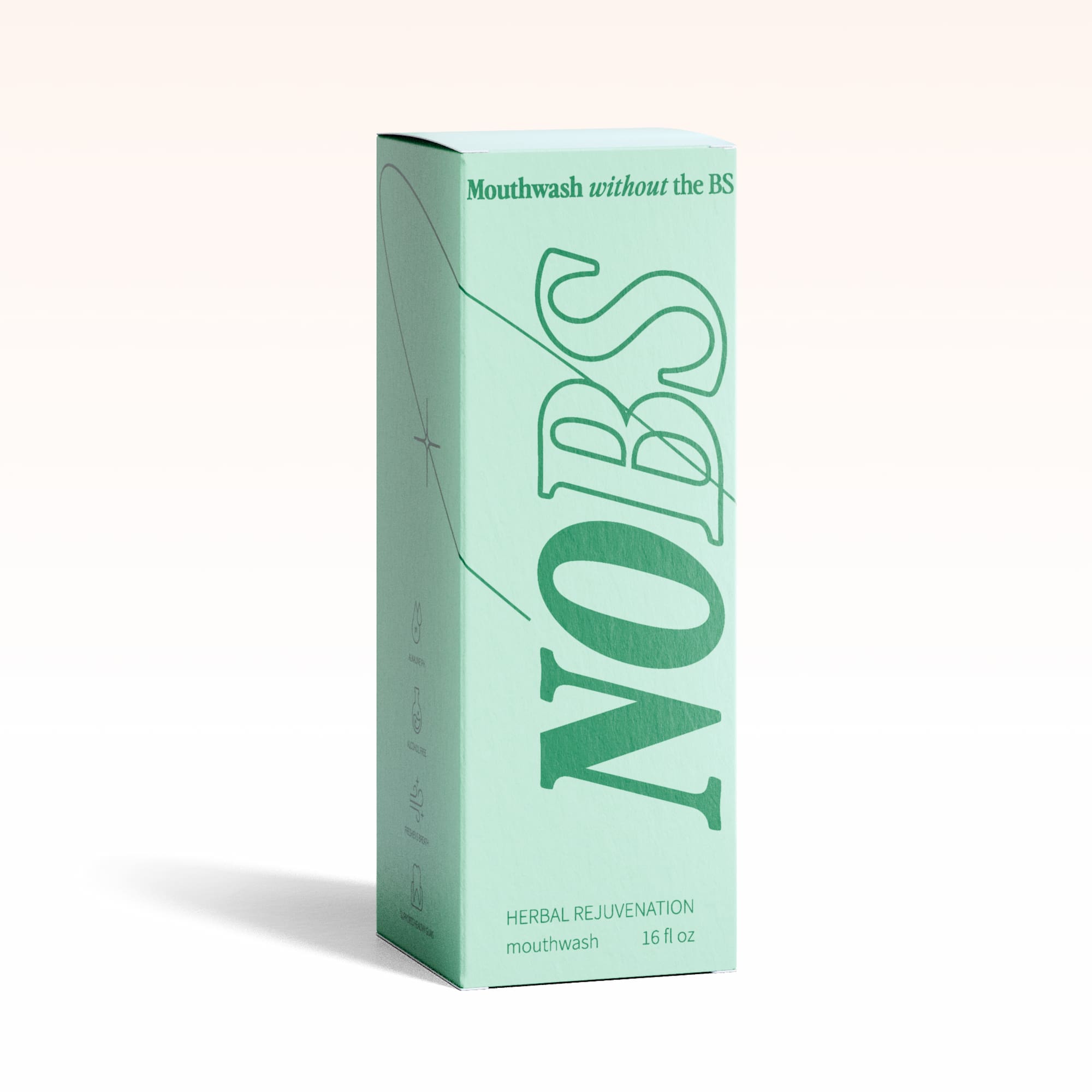
Natural Mouthwash is for shoppers who want a fresher-feeling routine without harsh burn, vague labels, or extra steps that never stick. At NOBS, we make oral care feel cleaner, smarter, and easier to use every day.

Skip to results list
Availability
Price
to
The highest price is $40
Clear
2 items
Column grid
Column grid

Filter

Availability
Price
to
The highest price is $40

Learn About Our Ingredients

Swipe to see more →

13 Incredible Ingredients

A complete formulation containing exactly what you need and nothing you don't. From Nano Hydroxyapatite for remineralization to Zinc Citrate for plaque control, every single ingredient has a specific purpose for a healthier smile.

Just 13 Incredible Ingredients

Hydroxyapatite

Hydroxyapatite rebuilds and strengthens your teeth naturally. It works by depositing calcium and phosphate minerals directly into your enamel, matching the mineral composition of your teeth.

Hydroxyapatite (HA)

Xylitol

Xylitol works by inhibiting cavity-causing bacteria, preventing plaque formation, and reducing acid production that leads to tooth decay. It also promotes saliva production, which helps neutralize acids.

Xylitol

Silica and Calcium

Calcium carbonate fights tooth staining while silica dioxide fights plaque and stains, working as gentle cleaning agents. Together, these minerals provide effective stain removal without harsh abrasiveness.

Silica & Calcium Carbonate

Essential Oils

Peppermint provides fresh taste while menthol delivers lasting freshness. Ammonium Glycyrrhizinate from licorice root creates that foamy, squeaky clean feeling naturally.

Essential Oils & Extracts

What Makes a Mouthwash "Natural"?

"Natural mouthwash" usually means a rinse made with plant-derived, mineral, or simpler ingredients instead of a conventional formula built around alcohol, strong antiseptics, artificial dyes, or opaque flavor systems. The phrase can be useful for shopping. It is not a standardized dental efficacy claim.

That matters.

A clean mouthwash label should make it easy to see what is inside and why it is there. Look for details such as alcohol-free status, fluoride-free status, herbal extracts, essential oils, sweeteners like xylitol, preservatives, and acidity. If a rinse carries an ADA Seal, that seal has a specific review process, and the American Dental Association explains that accepted products must meet its criteria for safety and efficacy.

Shop now

Natural vs Conventional Mouthwash

Natural mouthwash and conventional mouthwash can both have a place. The right choice depends on why you are rinsing.

Fluoride mouthrinses may be recommended for cavity-risk support. Chlorhexidine rinses are usually dentist-directed and used for specific situations. Cetylpyridinium chloride rinses are common in over-the-counter formulas. Alcohol-based rinses can feel intense, and some people avoid them because of dryness or irritation.

A natural mouth rinse may be a better fit if you want ingredient transparency, a fresh-feeling rinse, and a gentler daily experience. But natural does not automatically mean safer for every person, and conventional therapeutic rinses may be the right tool when your dentist recommends them.

Shop now

What Natural Mouthwash Can and Cannot Replace

Dentists usually do not tell every patient to avoid mouthwash. They may caution against using it as a shortcut.

A rinse does not replace brushing. It does not replace flossing or interdental cleaning. It does not replace professional cleanings, periodontal treatment, or dentist-prescribed rinses when those are needed.

Use mouthwash as a finishing step, a freshening step, or a routine support. Keep the basics in place. If you want to build around cleaner daily oral care, pair this collection with natural toothpaste and a flossing routine you will maintain.

Shop now

Frequently Asked Questions About Natural Mouthwash

At NOBS, we believe that effective oral care shouldn't require compromise. Why settle for harsh chemicals when nature and science can work together? Our mission is simple: to provide you with oral care products that delivers professional-grade results using ingredients you can trust.

What is the best natural mouthwash to use?

The best natural mouthwash is the one that fits your needs, has a clear ingredient list, and works with your dentist's guidance. If sensitivity or dry mouth is an issue, many shoppers look for alcohol-free options. If your main concern is fresh breath, consistency matters as much as the rinse itself.

How can I make homemade mouthwash?

A simple saltwater rinse is one common homemade option. Some people also use diluted baking soda in water, but it should be gentle and occasional. Avoid risky DIY ingredients like undiluted lemon juice, vinegar, or concentrated essential oils.

Why do dentists say don't use mouthwash?

Most dentists do not mean "never use mouthwash." The concern is usually that people may use it instead of brushing, flossing, or treating an underlying issue. Some formulas can also irritate certain mouths, especially if they contain alcohol or strong actives.

What mouthwash is good for GERD?

GERD is a medical condition, so mouthwash should not be used as a treatment for reflux. According to the National Institute of Diabetes and Digestive and Kidney Diseases, GERD involves stomach contents flowing back into the esophagus. If reflux is affecting your mouth, ask your dentist and medical provider about a gentle rinse and a care plan.

Is natural mouthwash good for bad breath?

Natural mouthwash can help your mouth feel fresher, especially when used with brushing and cleaning between teeth. Persistent bad breath may need dental or medical evaluation. A rinse can mask odor for a while, but it may not address the cause.

Can kids use natural mouthwash?

Kids should use only age-appropriate mouthwash and only with supervision. Check the label, follow the directions, and make sure they do not swallow it. If your child has cavities, sensitivity, braces, or mouth irritation, ask a pediatric dentist what rinse makes sense.